Resources
Blending foundational support with digital tools and unique holistic insights.
The "Home-Haven" Guide: Antenatal Care at Home
Empowering you to monitor and bond with your baby in your own space.
- The Concept of "Micro-Nesting": Instead of just decorating, use "Micro-Nesting" to create a health-centric zone. Set up a dedicated "Vitals Station" with a blood pressure cuff and a comfortable chair for daily 10-minute mindfulness sessions.
- Acupressure for Symptoms: Use P6 (Neiguan) pressure points on your wrist—often found via specialized bands—to manage morning sickness naturally.
- Relevant Tool: Sprout Pregnancy or The Bump (App Store/Google Play) for high-definition 3D baby tracking and symptom logging from home.
The "Home-Haven" Guide: Antenatal Care at Home
Empowering you to monitor and bond with your baby in your own space.
- The Concept of "Micro-Nesting": Instead of just decorating, use "Micro-Nesting" to create a health-centric zone. Set up a dedicated "Vitals Station" with a blood pressure cuff and a comfortable chair for daily 10-minute mindfulness sessions.
- Acupressure for Symptoms: Use P6 (Neiguan) pressure points on your wrist—often found via specialized bands—to manage morning sickness naturally.
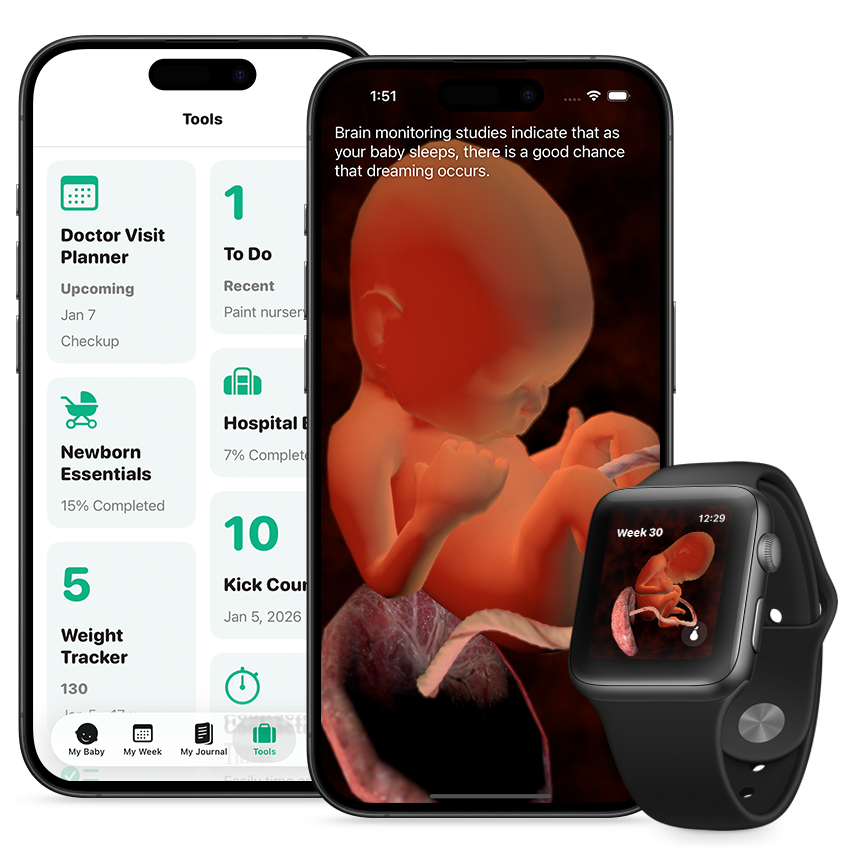
- Relevant Tool: Sprout Pregnancy or The Bump (App Store/Google Play) for high-definition 3D baby tracking and symptom logging from home.
The "Mind-Body Shield": Mental Health & Postpartum
Prioritizing your psychological well-being through transition.
- The "Two-Week Buffer": Prepare your social circle for a "protected period." Define who is "support" (helps with chores/food) vs. "visitors" (requires hosting).
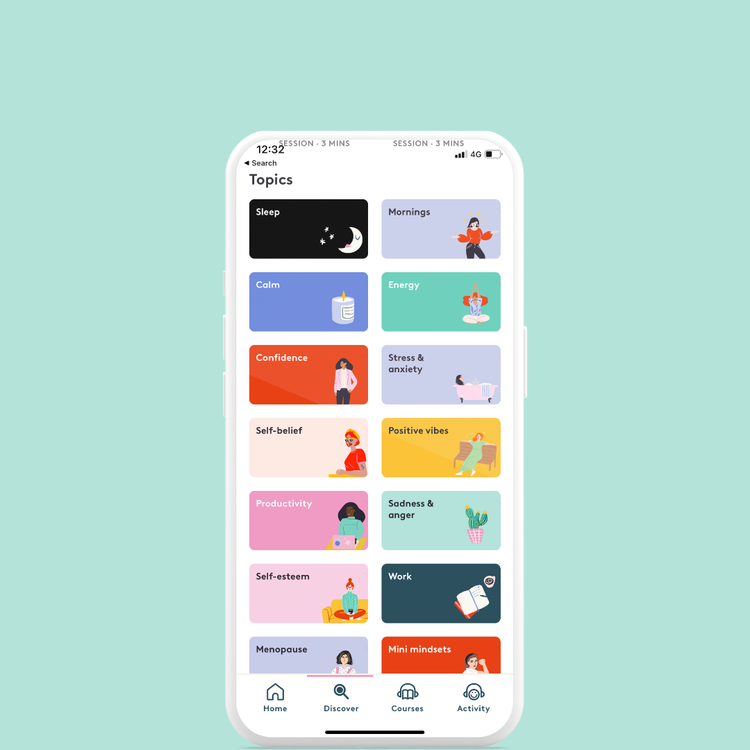
- Community Screening: With the 2026 Maternal Care Bundle standards, self-advocacy is key. Use digital "Mood Trackers" to record fluctuations; having data makes it easier to talk to midwives about "The Baby Blues" vs. Postpartum Depression.
- Trauma-Informed Bonding: If your birth didn't go as planned, use "Mirroring Techniques"—mimicking your baby’s facial expressions—to boost oxytocin and rebuild a sense of control and connection.
- Relevant Tool: Clementine (Hypnotherapy/Wellness) for accessing culturally responsive, trauma-informed support modules.

The "Restorative Plate": Nutritional Intake Postpartum
Fueling recovery and, if applicable, lactation.
- The "First 40 Days" Diet: Focus on "Warm & Wet" foods. In many cultures, postpartum healing relies on stews, bone broths, and porridges which are easier on a digestive system that is shifting back into place.
- Bioavailable Iron & DHA: Prioritize pumpkin seeds, lentils, and fatty fish to combat the "brain fog" often caused by nutrient depletion during birth.
- Hydration "Anchor Points": Drink a glass of water every single time you feed the baby. This ensures your fluid intake keeps up with the high metabolic demands of recovery.
- Relevant Tool: NourishWise (App). This AI-powered tool creates mood-based meal plans and smart grocery lists specifically for the postpartum recovery stage.
The "Slow-Build" Recovery: Healing & Self-Care
Safely reclaiming your strength without the "bounce back" pressure.
- Diaphragmatic "Core Reconnect": Before lifting weights, use "Abdominal Hollowing." Exhale and gently draw your lower tummy in; this reconnects the deep core muscles (transverse abdominis) that were stretched during pregnancy.
- The 12-Week Rule: Avoid high-impact exercise (running, jumping) for at least 12 weeks. Focus instead on "Knee Rolls" and "Pelvic Tilts" to stabilize the pelvic floor.
- The "Five-Minute Shower" Ritual: Self-care isn't always a spa day. Use "Habit Stacking"—apply a high-quality skin oil immediately after your shower to practice "Grounding" through touch, reclaiming your body as your own.
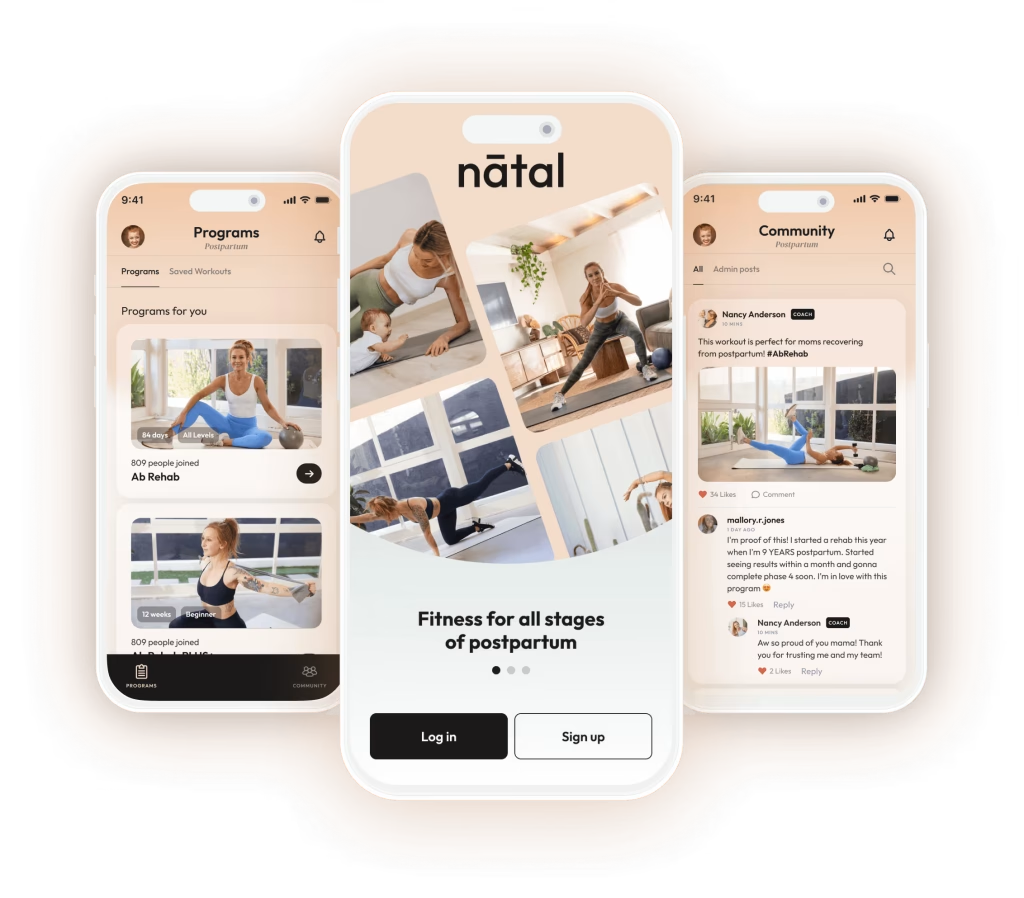
- Relevant Tool: Natal - Pregnancy & Postpartum (Google Play/App Store) for expert-guided, stage-specific fitness routines that prioritize pelvic floor health over intensity.